Where Morning Light Crowns the Moor
Today we explore Sunrise Perches in Exmoor Valleys, inviting you to greet the day from windswept ridges, heathered slopes, and cliff-lined paths. From quiet farm lanes to the high beacons above Porlock and Lynton, discover gentle approaches, thoughtful safety tips, and local lore that transforms early starts into unforgettable moments worth sharing, photographing, and returning to whenever your heart seeks hush and color.

Mapping Dawn’s High Seats
Before the sky kindles, knowing which ridges and promontories open first to the sun helps every step feel easier. Here you’ll find proven vantage points across Exmoor, gentle gradients to reach them, and small, place-based hints that reward curiosity, patience, and kindness toward land, wildlife, and people who call these valleys and combes home.

Reading the Sky for Subtle Openings
Thin high cloud and a dry easterly can create long gradients of color, while damp westerlies sometimes press mist into combes. Study satellite loops, pressure trends, and valley fog potential. If stars fade yet horizons brighten cleanly, linger. The briefest window—five quiet minutes—may outshine an hour of typical daylight in feeling, depth, and lasting resonance.
Shoulder Seasons, Frost, and Kindly Shadows
Autumn and early spring offer kinder sunrise times and often steadier air, with russet bracken shaping contrast. Frost stiffens tussocks, preserving texture for tripod legs and boots. Dress in breathable layers, warm fingers often, and expect slippery peat. When the sun lifts, let long shadows model hills like gentle ribs, revealing pathways you never noticed before.
Making Friends with Wind and Mist
Wind on exposed beacons can push tripods and thoughts around; use your pack as ballast and stand leeward of walls respectfully. Mist reshapes scale, hiding fences, revealing trees as silhouettes. Accept incomplete scenes. Work patiently, pause often, and allow quiet intervals to teach you what rushing would erase from memory and the morning’s tender, unfolding grammar.
Wildlife and Quiet Etiquette at First Light
Dawn belongs as much to red deer, Exmoor ponies, and skylarks as to walkers and photographers. Keep distance, close gates, and whisper more than speak. Hooves, nests, and dew-wet feeding grounds deserve calm passage. If you carry excitement, carry restraint too, letting respectful choices invite encounters that feel mutual, gentle, and cherished rather than accidental or intrusive.
Sharing Space with Exmoor Ponies
These hardy grazers shape the heaths, but they are not pets. Admire from afar, never feed, and give wide arcs around groups with foals. If a pony blocks a path, wait and breathe. Your patience becomes part of the landscape’s welcome, teaching newcomers that tenderness can be practical, safe, and the truest souvenir taken home afterward.
Red Deer at the Valley Fringes
At daybreak, silhouettes may step from shadow, antlers threading pale haze. Keep significant distance, use longer lenses, and avoid pushing animals upslope. In autumn’s rut, heightened energy demands doubled care. Kneel, watch, learn their routes. Sometimes the best photograph is the one you never take, replaced by a vivid memory that returns unbidden, quietly intact.
Photography and Field Notes

A Fast Workflow for Fleeting Color
Pre-set manual exposure, choose an initial white balance, and bracket gently rather than wildly. Keep a microfiber cloth in your pocket, and memorize two or three compositions before color peaks. As tones intensify, breathe slow, confirm horizon level, and let the scene lead. Later, small global edits will honor reality while keeping the morning’s grace firmly believable.

Compositions with Tors, Hedgebanks, and Water
Let tors or waymarkers anchor foregrounds, then line tide or valley contours as soft guides. Hedgebanks, dew-bright and textural, create intimate frames around distant beacons. Avoid trampling delicate flora by stepping carefully on durable surfaces. When sunbursts emerge, shade the lens with your hand, and invite asymmetry that feels lived-in, like stories passed along a gate.
Journaling the Afterglow
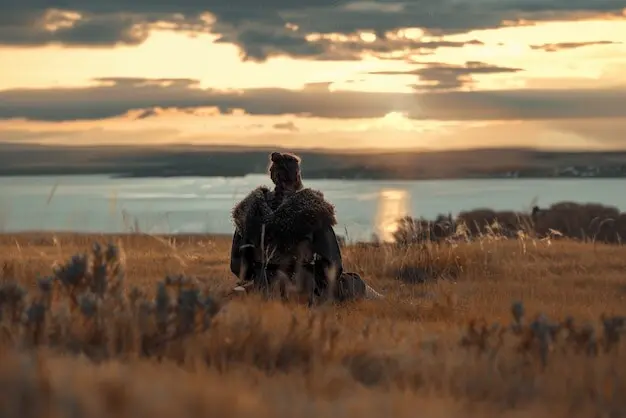
While boots steam in the first warmth, jot small notes: wind direction, scents from bracken, a lone sheep’s call, the color between rose and apricot you never named before. These details become maps for future visits, guiding timing and mood. Later, when clouds disappoint, your journal can restore courage and remind you why you rise early.
Paths, Access, and Safety
Respect public rights of way, permissive tracks, and open moorland guidance. Use waymarked routes, close gates carefully, and carry a headlamp for pre-dawn starts. Mobile signal fluctuates among combes, so download maps in advance and tell someone your route. Good preparation turns adventure gentle, letting wonder arrive without drama, hurry, or easily avoidable, disheartening detours.

Stories, Routes, and Community
Journeys feel fuller when shared. Trade sunrise tales, compare gentle routes, and invite newcomers to experience the hush before the first skylark lifts. Your comments, questions, and photos help map kindness into every valley. Subscribe for monthly dawn-friendly ideas, route refinements, seasonal etiquette notes, and occasional reader spotlights celebrating care, craft, and unexpectedly generous morning light.

All Rights Reserved.